

Warmland — The Valley That Holds People Gently
Where the Land Meets You
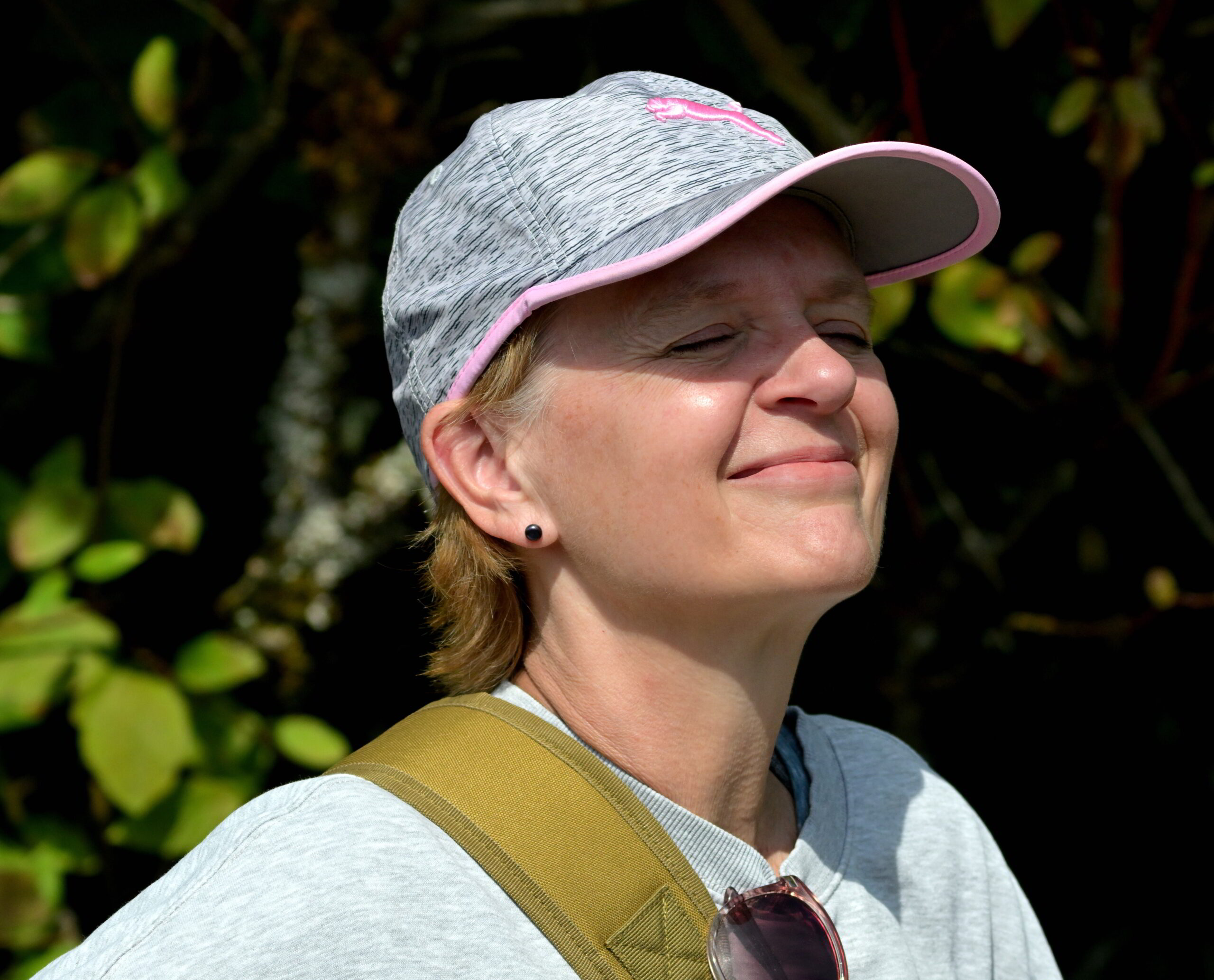
There’s a moment that happens to people in the Cowichan
Valley, a soft breath, a quiet pause, a settling of the shoulders. You see it
when someone closes their eyes in the sunlight, when the forest light warms
their face, when the river breeze brushes past them. It’s the feeling captured
in your photo: the way this place reaches into a person and reminds them to
slow down.
Cowichan has always done that. Long before roads, towns, or
maps, this valley was known for its warmth, not just the climate, but the way
the land itself cared for the people who lived here.
The Old Story of Warmland
Among the Cowichan people, one of the oldest stories
explains how the valley came to be inhabited after a world‑changing disaster.
As recorded in The Warm Land: A History of Cowichan by E. Blanche
Norcross, the story begins with a great flood:
“At the time when the Great Flood drowned the world and
almost all mankind perished, one man… found safety at the top of the mountain
Swukos.”
Two young women, who survived on high ground near Sooke,
travelled north after the waters receded. They found the man from Swukos, and
together the three became the ancestors of the Cowichan people.
Norcross continues:
“The valley which nursed them was a kindly land, sheltered
from the violence of winter storms… Therefore, they named it Cowichan, the warm
land.”
This is the origin of Warmland, not just a name, but
a description of how the valley feels, how it protects, and how it shapes the
people who call it home.
Early Cowichan: A Valley of Big Trees and First Settlers
When Vancouver Island became a Crown Colony in 1858,
Cowichan was still known to settlers as “Indian Country.” The valley was dense
with towering timber, salmon-rich rivers, and long-established Indigenous
communities.
The earliest recognized settler was John Humphreys, a
former Hudson’s Bay Company employee who married the daughter of the Quamichan
chief and settled near present-day St. Peter’s Church. But as Norcross notes,
the valley was not empty:
“There was a young Italian, Giovanni Baptiste Ordano… and
there was also Samuel Harris… It is likely there were others.”
Surveyor-General Joseph Pemberton famously claimed Cowichan
held 50,000–60,000 acres of good land, with 15,000–20,000 acres ‘perfectly
open.’ Settlers laughed at this, one recalled that the “open” land amounted
only to small fern patches they jokingly called prairies.
Despite the challenges, the valley slowly transformed.
Families cleared land, built homes, and established the communities that would
become Duncan, Chemainus, Somenos, and Cowichan Bay.
Cowichan Today: A Valley That Still Warms People
The Cowichan Valley of today is almost unrecognizable compared to the world Humphreys and Ordano stepped into, yet the feeling of Warmland remains.
• Duncan has grown into a vibrant regional hub.
• Cowichan Tribes remains the largest First Nation in British Columbia, with deep cultural influence across the valley.
• Chemainus is known worldwide for its murals and arts culture.
• Mill Bay and Shawnigan Lake have become thriving communities surrounded by forest, ocean, and lake.
• Cowichan Bay is a destination for food, maritime heritage, and waterfront life.
• The Cowichan River still runs strong, still supports salmon, and still anchors the identity of the region.
And the land still has that same effect on people, the quiet
moment, the softened breath, the sense of being held gently by nature.
Cowichan is still Warmland. And every story here begins with
that warmth.
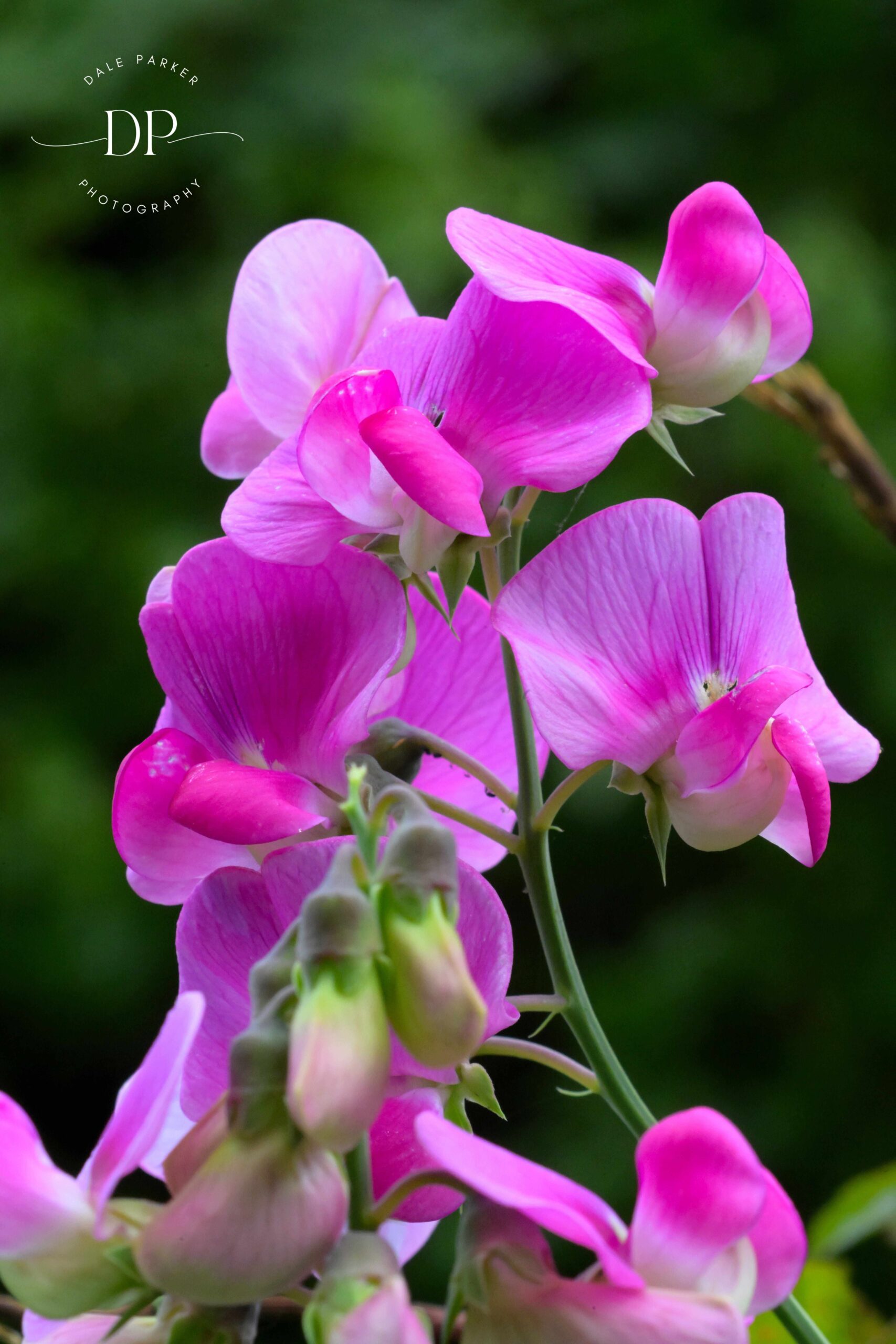
Sweet pea are in full bloom around the Cowichan Valley in the fall.